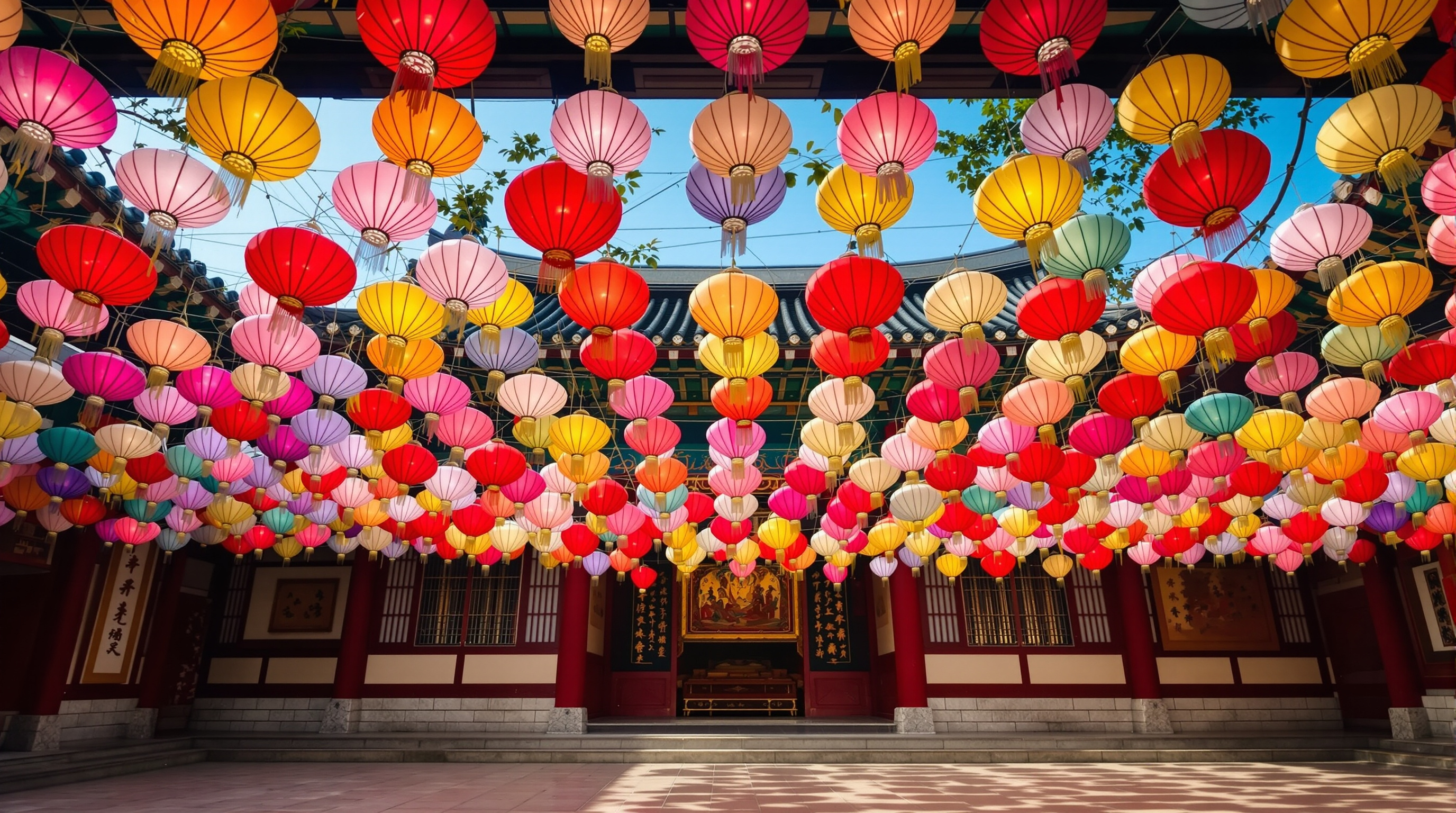
Beneath the glass and the neon, Seoul keeps an older self — the covered markets, the temple courtyards, the colour of a festival morning. This is the ceremonial city, and it hands the photographer texture, ritual, and time.
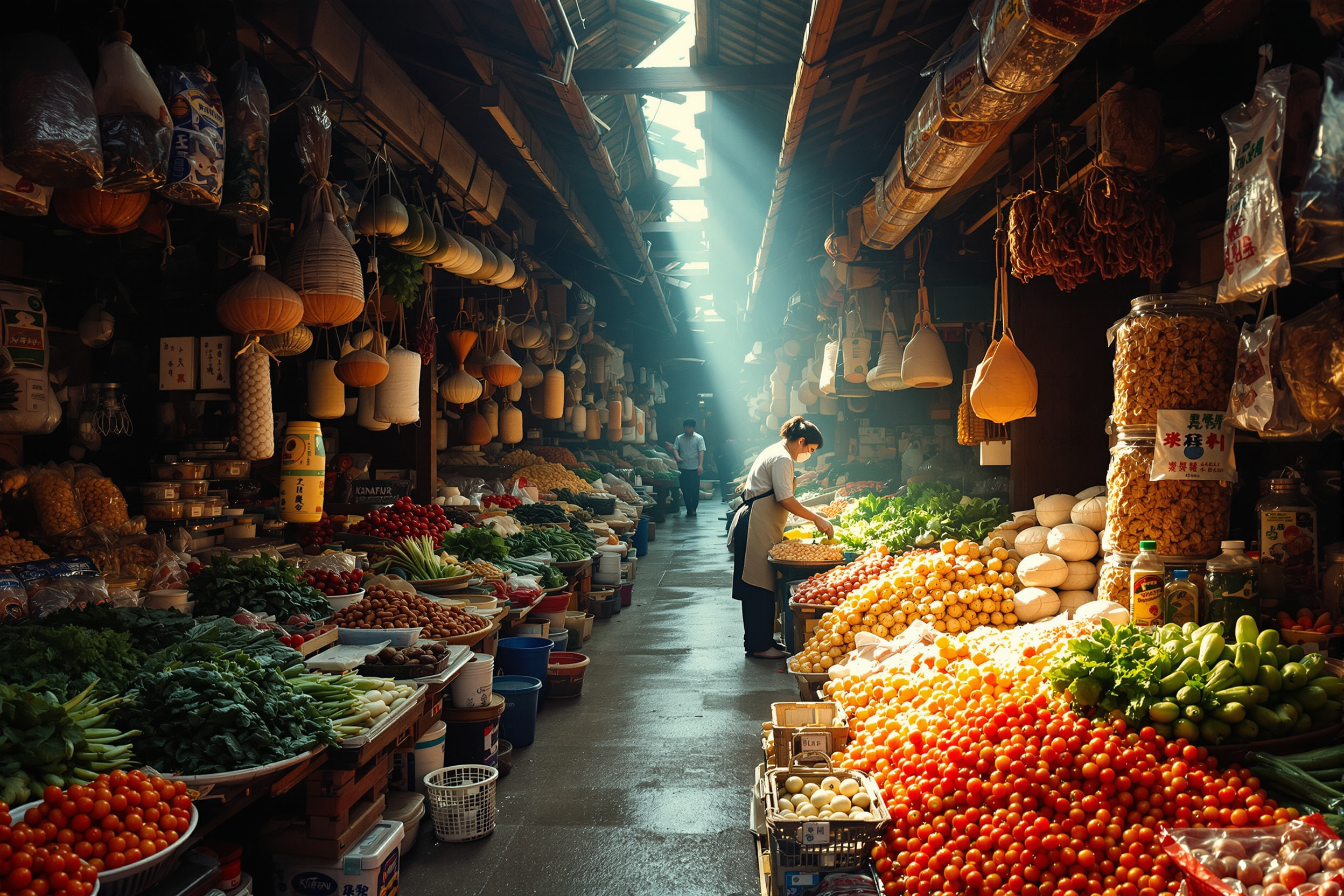
The old markets are the living heart of it. Generations of the same trade fill the covered lanes: bolts of cloth, dried fish, mountains of vegetables, kitchenware stacked to the rafters, and cook-stalls feeding the traders themselves. The light is warm and low, the aisles are tight, and the life is entirely unguarded — this is documentary photography at its richest, provided you move slowly and buy as you go.
The market lanes
Work a market the way you would a river — follow it, do not fight it. Let the aisle lead your composition into its own vanishing point; shoot the hands and the goods before the faces; catch the shafts of light where the roofing gaps. The strongest market pictures are usually of work — a knife, a scale, a pour of soup — and they tell the whole story without needing a portrait. When you do make a portrait, ask; market traders are proud of their stalls and often glad to be seen at them.
Temples in the city
Between the office towers stand the Buddhist temples, and they change the camera's whole register. Painted eaves in the traditional dancheong colours — greens, blues, reds, and gold under the roofs; grey stone courtyards; the smoke and small flames of offering. On festival days the courtyards fill with hanging paper lanterns in dense colour, one of the great photographic spectacles of the Korean year. Shoot up into the lantern canopy for pure colour, or wait for a figure to cross the grey stone beneath it for scale and quiet. These are places of worship first; a lowered voice and an unobtrusive camera are the minimum courtesy. Korea's ritual heritage, from royal shrines to temple rites, is recognised on the UNESCO World Heritage list.
Hanbok and the festival calendar
The traditional dress — hanbok — appears most on the holidays and at the palaces, where its clean lines and bright blocks of colour are a photographer's gift against grey stone and dark wood. The lunar new year and the autumn harvest holiday are the high points of the ceremonial calendar, when the markets crest, families travel, and the old city is at its most visible. If you can time a visit to a festival day, do; the colour and the ritual are worth a season of ordinary streets.
Time in the frame
What the old markets and temples really offer the camera is time — visible, layered, unhurried time. A trade passed down through a family; a ritual performed the same way for centuries; a building weathered by generations of hands and weather. Photograph these places and you are photographing duration, which is a rare thing in a city that rebuilds itself every decade. The trick is to let the age show without turning it into nostalgia: the worn step, the patched awning, the smoke-darkened beam, set beside the ordinary business of a Tuesday. These are working places, not museums, and their dignity is in the work. Show the labour and the ritual as living and present, and the sense of time takes care of itself.
Old and new in one frame
The truest picture of Seoul holds both cities at once — a tiled roof against a tower, a lantern-lit courtyard under a construction crane, a hanbok skirt crossing a glass plaza. That collision is the whole subject of the districts, and it changes beautifully through the seasons. The markets, meanwhile, run all night and pour you back out toward the food streets where the journal's evenings tend to end.